We lead interdisciplinary research and design initiatives focused on dismantling barriers to knowledge. Rooted in principles of knowledge democracy, Critical Information Literacy, and pluriversal thinking, our work reimagines how knowledge is created, shared, and used in ways that are inclusive, collaborative, and transformative.
Our practice brings together educators, librarians, artists, technologists, scientists, and community thinkers to co-design methods and spaces that center multimodality, decoloniality, and radical openness. We develop public research projects and toolkits that challenge dominant epistemologies while uplifting underrepresented voices and ways of knowing.
Our ongoing projects include:
- The Reimagine Research Toolkit
- Our Growing Zine Library
- Our Growing Resource Library
- DIY Studios
Let’s connect if you’re interested in:
- Collaborative research partnerships
- Designing for epistemic justice
- Critical librarianship
- Consultancy on co-design, decolonial methods, or knowledge democracy


Past Projects (Selected)
Jazzy Jamboards
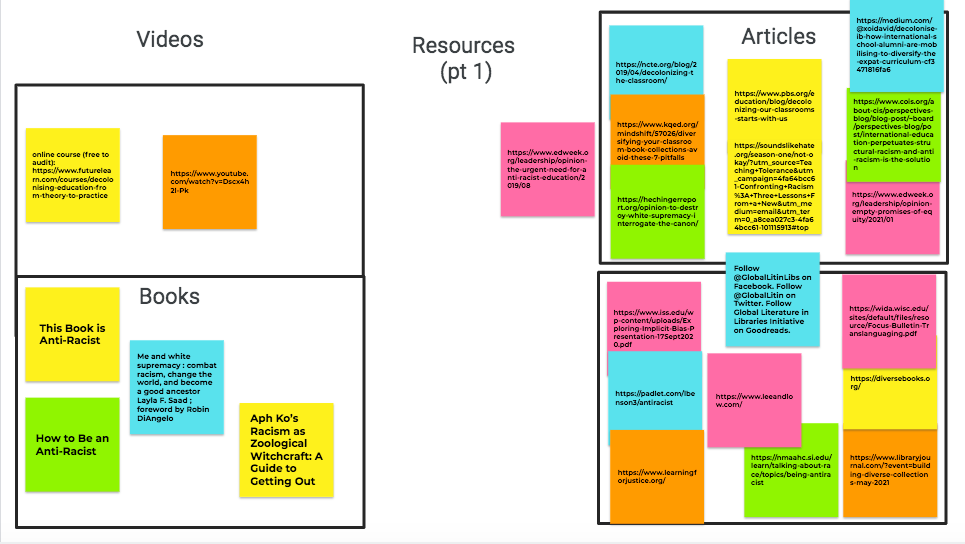
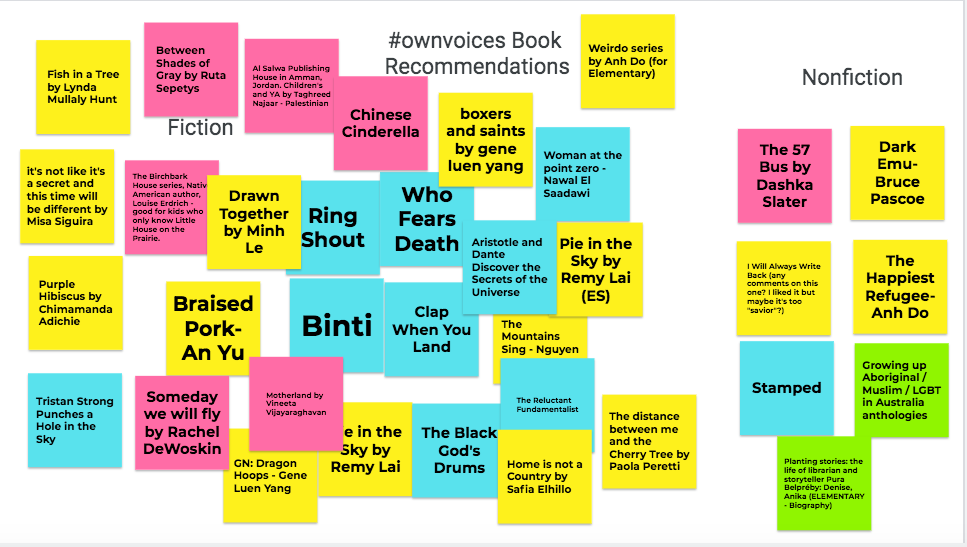
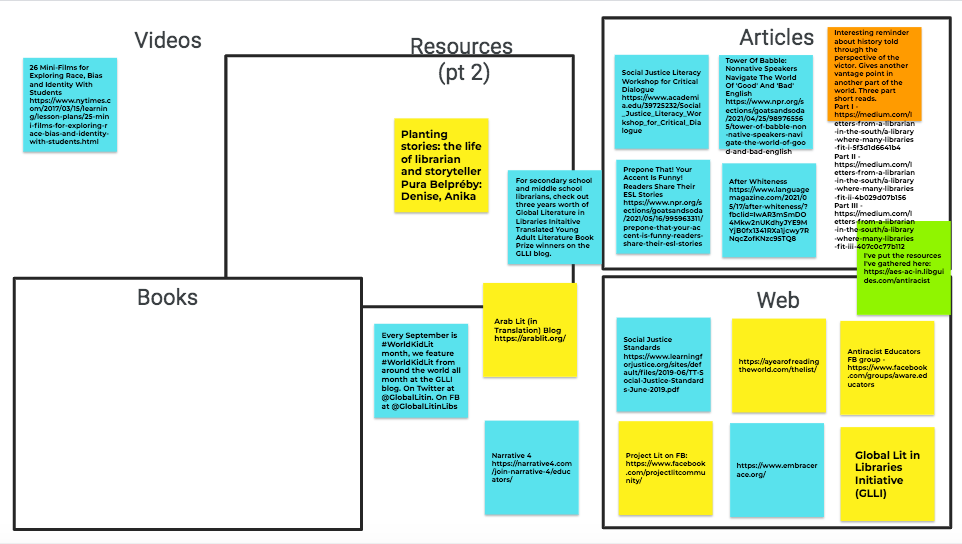
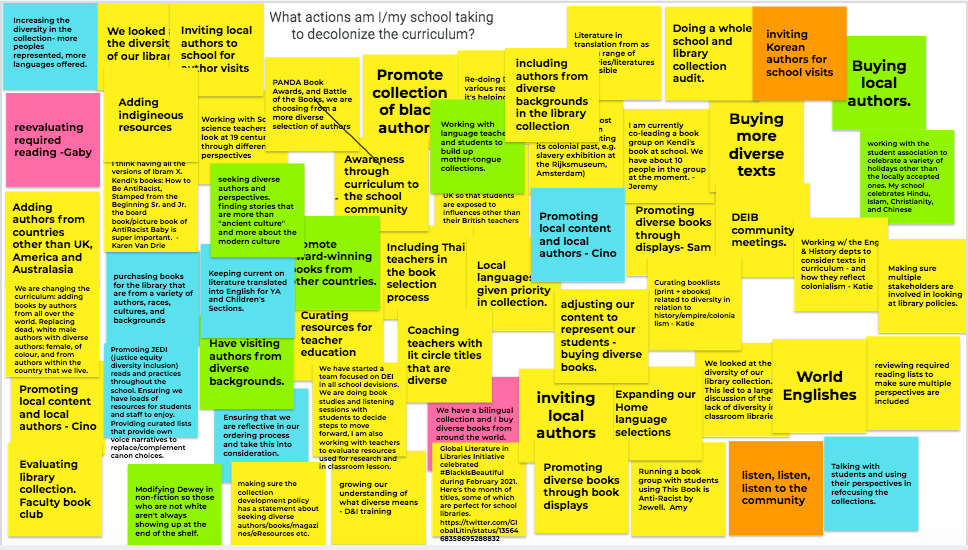
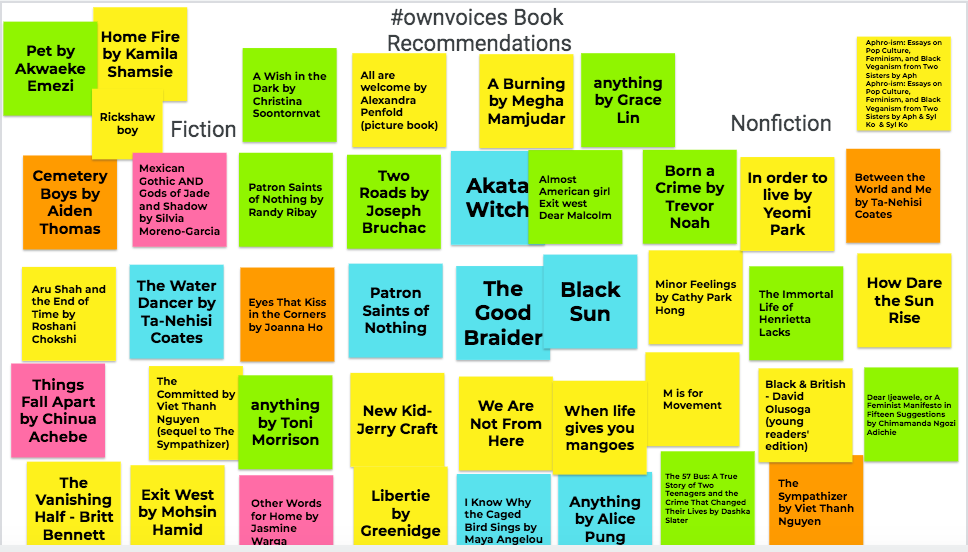
We hosted a collaborative workshop on decolonizing the library. Through “jazzy jamboards,” participants shared colorful notes with their reflections and resources while fun jazz music played in the background.
Indigenous Reclassification/Cataloging
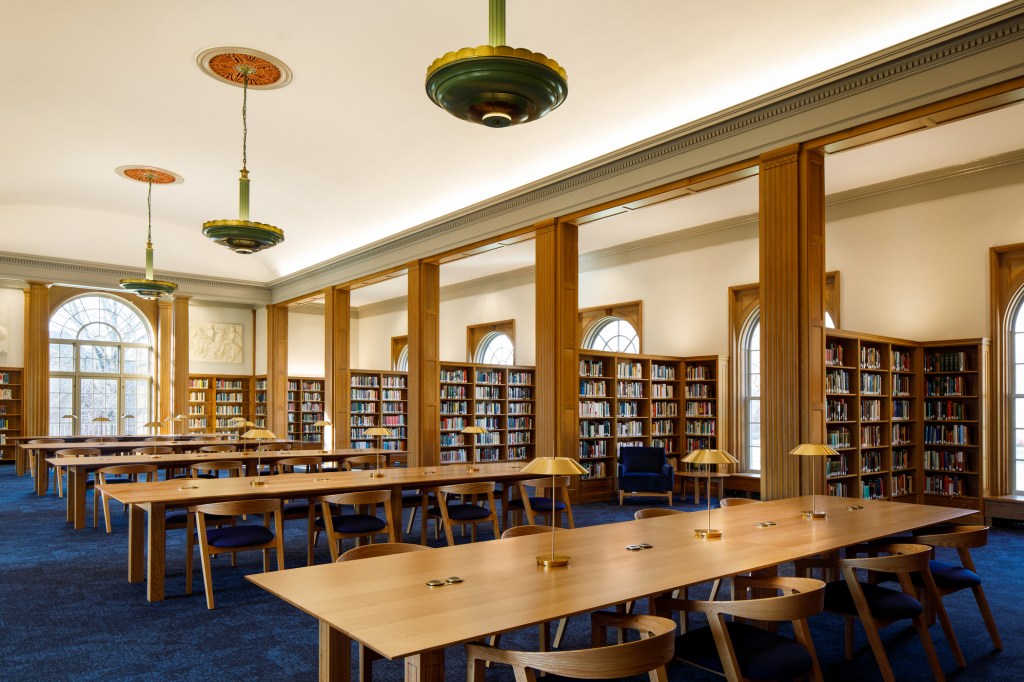
We led a cataloging project at an American academic institution to reclassify library holdings related to Native American communities. This initiative involved critically reassessing outdated and biased Dewey Decimal classifications, relocating works to more accurate and respectful categories. For example, titles previously cataloged under “folklore” were reclassified as “religion,” works mislabeled as “war” were correctly identified under “genocide,” and creative works moved from “crafts” to “art.” The project improved representation, accessibility, and cultural respect in the library’s collection.
Civil Rights Reparative Cataloging
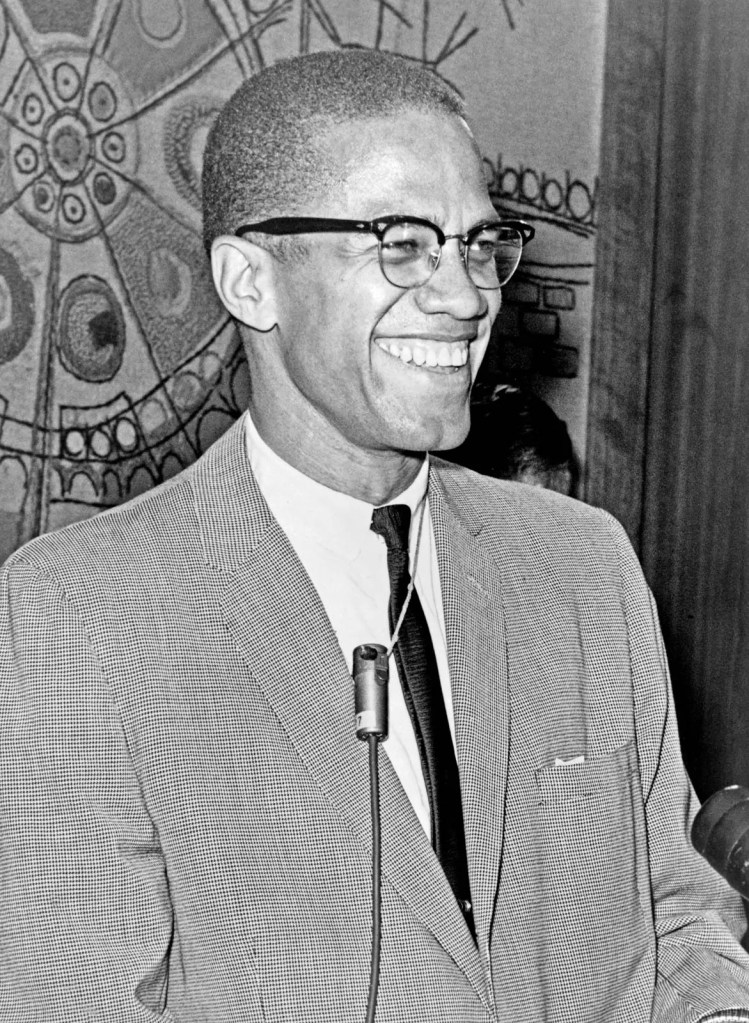
We undertook a reparative cataloging initiative to address biased classifications of materials related to the Civil Rights Movement. The project involved reevaluating how figures and organizations were represented in the Dewey Decimal system. Works about the Black Panther Party were reclassified to reflect their role in the broader Civil Rights Movement, while materials on the Ku Klux Klan were moved from political party categories to those denoting terrorism. Works by and about Malcolm X were re-cataloged with his preferred name. These changes promoted accuracy, equity, and respectful representation in the library’s collection.
Library QR Codes
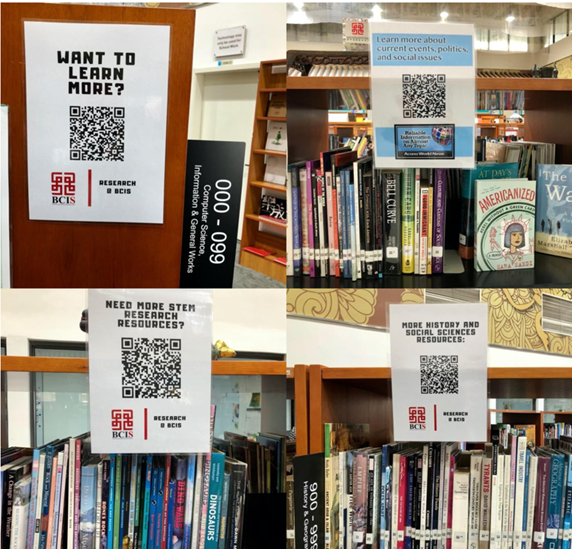
QR codes (short for “quick response”) have a massive presence in China. The codes, images comprised of black and white squares, are used for shopping (both online and in person), descriptive information (e.g. scan to learn more), bike sharing and rentals, and–throughout the COVID-19 pandemic–they served as the ubiquitous health kits that residents had to scan upon entering public places so that the government could carry out contact tracing.
At a library in Beijing, we took advantage of the popularity of QR codes in China to increase engagement with digital collections. To make database access easier for students, we created QR codes that linked to digital resources and placed them throughout the library’s physical nonfiction collection. The codes brought students to the database webpage.
 The Open Knowledge Lab